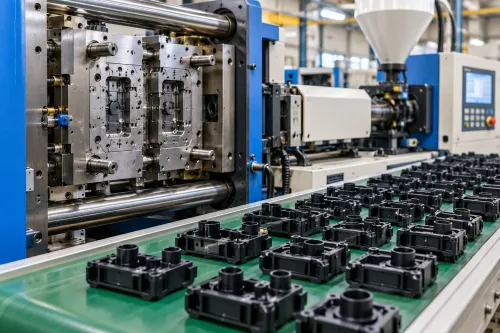
Injection molding can produce complex components at scale, but reliable results depend on much more than injecting material into a mould. When evaluating an Injection Molding Manufacturer, procurement and engineering teams need to examine tooling knowledge, material understanding, process control, inspection capability, and production readiness together.
The objective is to determine whether the supplier can consistently manufacture the required component rather than simply produce an acceptable initial sample.
Begin with the component design
Wall thickness, ribs, bosses, draft angles, undercuts, gate location, shrinkage, and ejection requirements can all influence moldability.
A manufacturing review before tooling begins can identify features likely to create sink marks, warpage, filling difficulties, visible defects, or dimensional instability.
Buyers should therefore consider how thoroughly a prospective supplier evaluates the component before committing to a production approach.
Material requirements need clear definition
Material selection affects strength, flexibility, temperature resistance, appearance, shrinkage, and processing conditions.
The same component geometry may behave differently when produced using different polymers. Material requirements should be clearly documented, including any application-specific properties that matter to the finished component.
Tooling quality affects production consistency
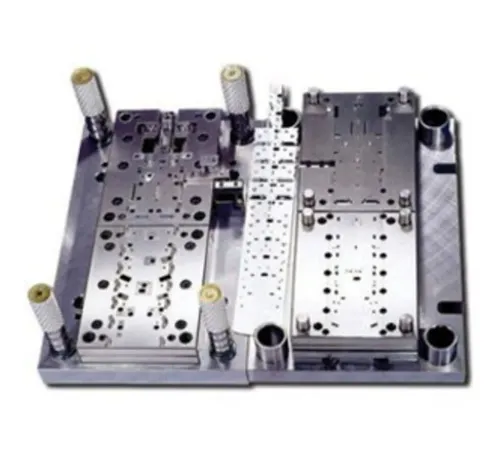
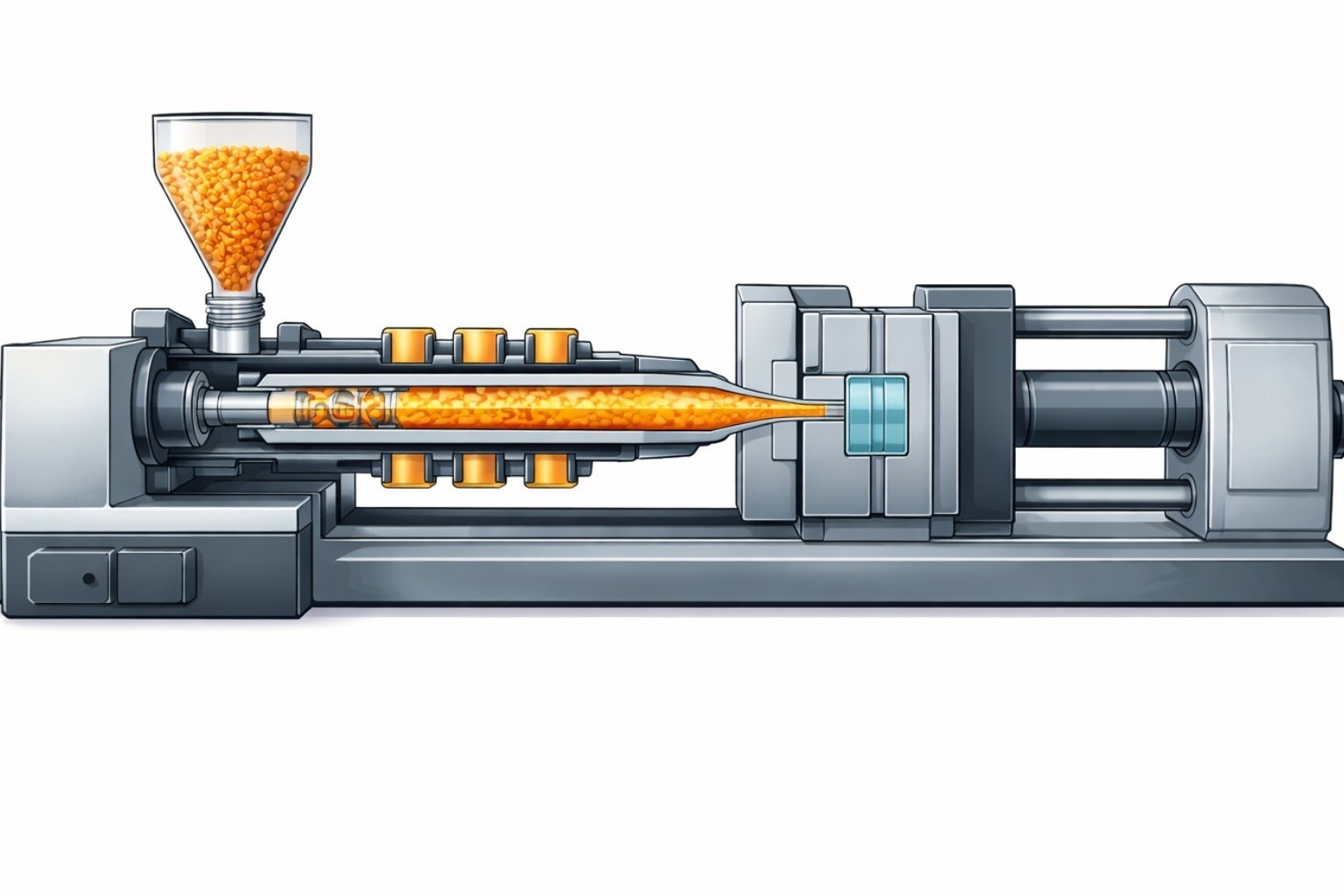
The mould is central to the injection molding process. Cavity accuracy, cooling, gating, venting, ejection, surface finish, and tool material can all influence component quality and cycle performance.
Buyers should ask how tooling decisions are linked to expected production quantity. A prototype programme and a high-volume recurring programme may justify different tooling strategies.
Evaluate process control rather than samples alone
A small batch of good samples does not automatically prove long-term production stability.
A stronger supplier evaluation considers how critical parameters are controlled during routine manufacturing. These can include temperature, injection conditions, cooling time, material preparation, and inspection frequency.
For dimensional components, buyers should also understand which features are checked and what measurement methods are used.
Capacity and maintenance matter after approval
Once a molded component enters regular production, continuity becomes important. Tool maintenance, machine availability, material planning, inspection resources, and production scheduling can influence delivery performance.
For industrial buyers in Pune and Maharashtra, local manufacturing coordination can be useful when projects involve tooling development, engineering changes, trials, inspections, and recurring production requirements.
A practical supplier assessment should cover:
- Tooling capability
- Component manufacturability review
- Material experience
- Quality controls
- Measurement capability
- Production capacity
- Tool maintenance
- Engineering-change management
- Traceability where required
Excellent Tools operates within the Pune industrial engineering ecosystem and understands the importance of connecting tooling decisions with actual manufacturing requirements.
When selecting an Injection Molding Manufacturer, procurement teams can gain a clearer picture by evaluating the entire production system rather than focusing on quotation price alone.
A supplier that understands component function, tooling behaviour, process stability, inspection, and production continuity is better positioned to support a project as it moves from initial development into repeat manufacturing.
Keywords